architecture
Art Nouveau Walking Tour
The Secession style Timișoara wears better than Vienna
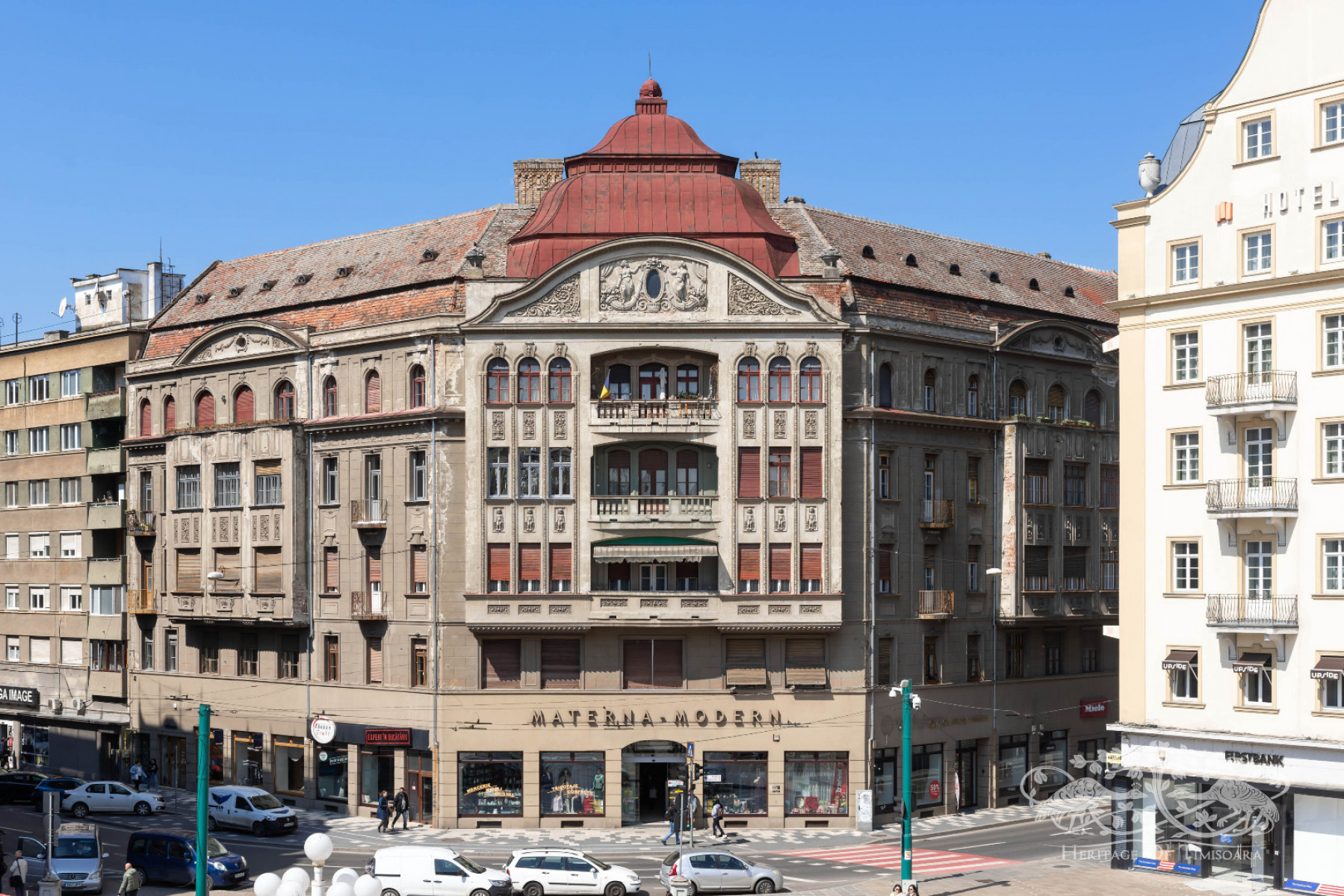
In the years before World War I, when Timișoara was still part of the Austro-Hungarian Empire, the city went through a building frenzy. The style of the moment was Secession — the Central European branch of Art Nouveau — and Timișoara embraced it with the enthusiasm of a city that wanted to prove it could be as modern as Budapest or Vienna. The result is one of the most concentrated collections of Art Nouveau architecture in all of Central Europe. And unlike Vienna or Budapest, most of it hasn't been restored. Which, paradoxically, makes it more beautiful.
Start on Strada Alba Iulia, where the Löffler Palace sits at the corner like a jewel box someone left on the sidewalk. Its ceramic tile work — peacocks, flowers, geometric patterns in deep greens and golds — is intact and breathtaking. A few doors down, the Dauerbach Palace shows what happens when a skilled architect meets an ambitious client: the ironwork on the balconies flows like water, the window frames curve like they're made of something softer than stone.
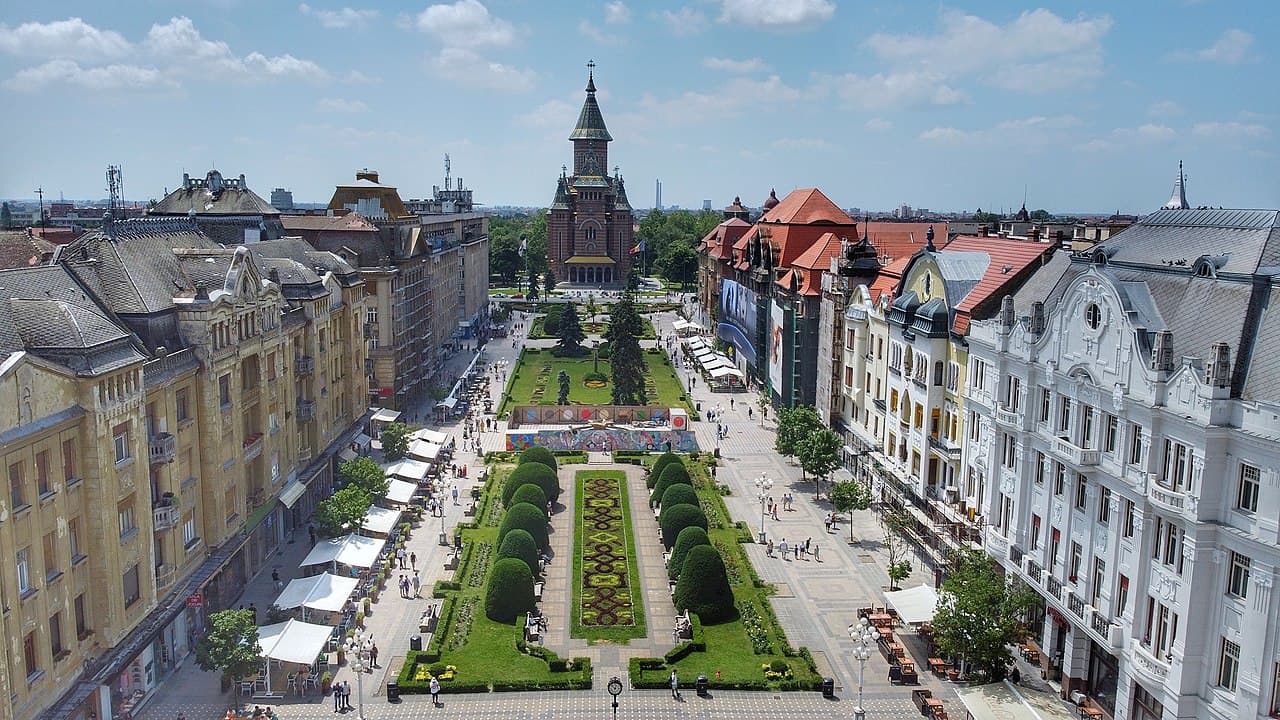
Cross to Strada Mercy and you'll find the Széchenyi Palace, with its rooftop figures and ornamental cartouches that look fresh despite being over a century old. On Piața Victoriei, the Lloyd Palace anchors the square's eastern end with one of the most photographed façades in the city — a riot of sculptural detail that rewards ten minutes of just looking up.
What makes Timișoara's Art Nouveau special is the sheer density. You don't need a map. Just walk the streets between Piața Victoriei and Piața Unirii, look up, and you'll find something remarkable every fifty meters. The pharmacy with original stained glass. The apartment building where the stairwell has a glass ceiling you can glimpse through the front door. The hotel whose turret is topped with ceramic flowers that still hold their color after a hundred years.
Some of these buildings are immaculate. Others are crumbling. The contrast is part of the experience — you're seeing living architecture, not a museum exhibit. These buildings are still apartments, still offices, still shops. The grandmother watering flowers on a balcony with wrought-iron Art Nouveau railings isn't performing for tourists. She lives there.
What to See
- 1Löffler Palace (Str. Alba Iulia) — ceramic peacock tiles and floral motifs, the finest Secession façade in the city
- 2Dauerbach Palace — flowing ironwork balconies that seem to defy the rigidity of metal
- 3Lloyd Palace (Piața Victoriei) — monumental Secession with sculptural detail that rewards close looking
- 4Széchenyi Palace (Str. Mercy) — rooftop figures and ornamental cartouches
- 5Hidden stained glass — peer through open doorways for original Art Nouveau stairwell glass
Visitor Tips
- —Look UP — the best details are on second and third floors, above the modern shop signs
- —The route from Piața Victoriei to Piața Unirii along side streets yields the highest concentration
- —Afternoon light (3-5pm) is best for the west-facing façades on Strada Alba Iulia
- —Many front doors are unlocked during business hours — a polite peek into stairwells often reveals original tile work
- —A good companion guide is the 'Timișoara Art Nouveau' map available free at the tourist info center on Str. Alba Iulia