culture
Fabric — The Forgotten Quarter
Timișoara's most authentic neighborhood
Every city has a neighborhood that the guidebooks skip. In Timișoara, it's Fabric — and that's a crime, because Fabric might be the most honest place in the whole city.
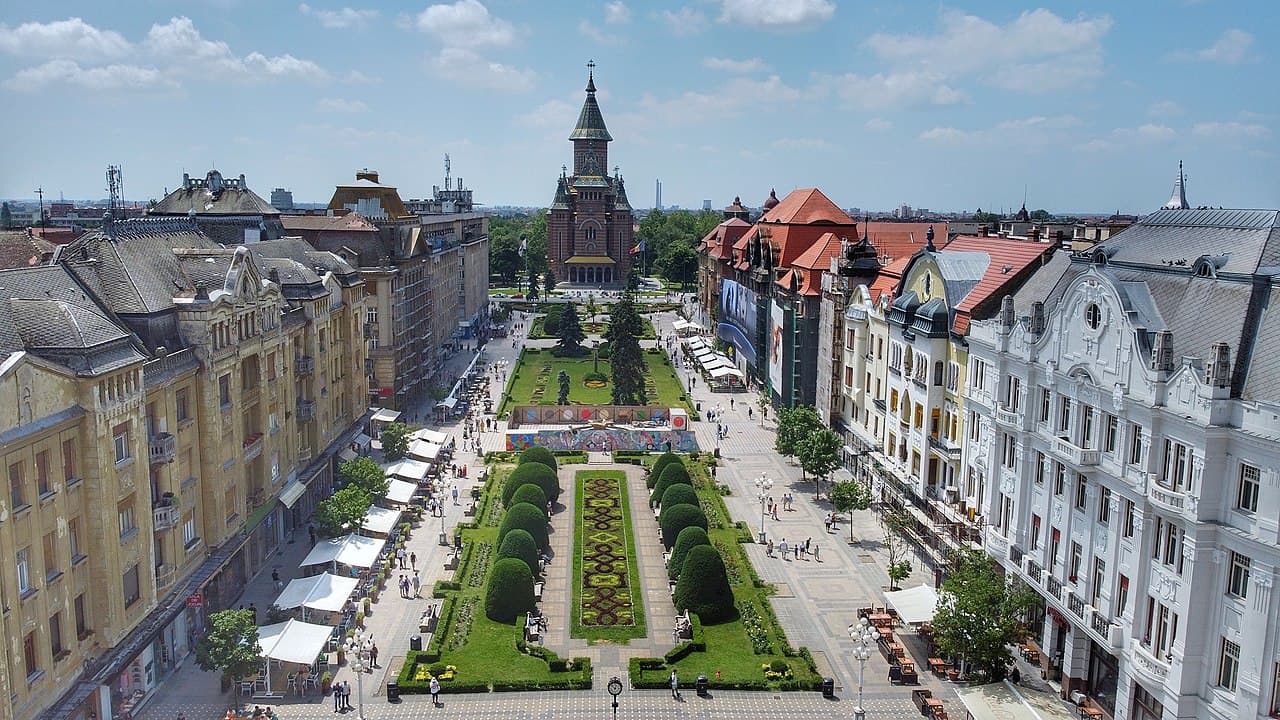
Walk east from the center, cross the Bega canal, and within five minutes you're in a different world. The buildings are the same vintage as Piața Unirii — 18th and 19th century, Habsburg-era, with the same ornate façades and wrought-iron details. But here, the plaster is peeling. Weeds push through balcony railings. Some ground floors are bricked up; others house workshops where you can hear metalwork or smell fresh bread from a bakery that's been here for decades.
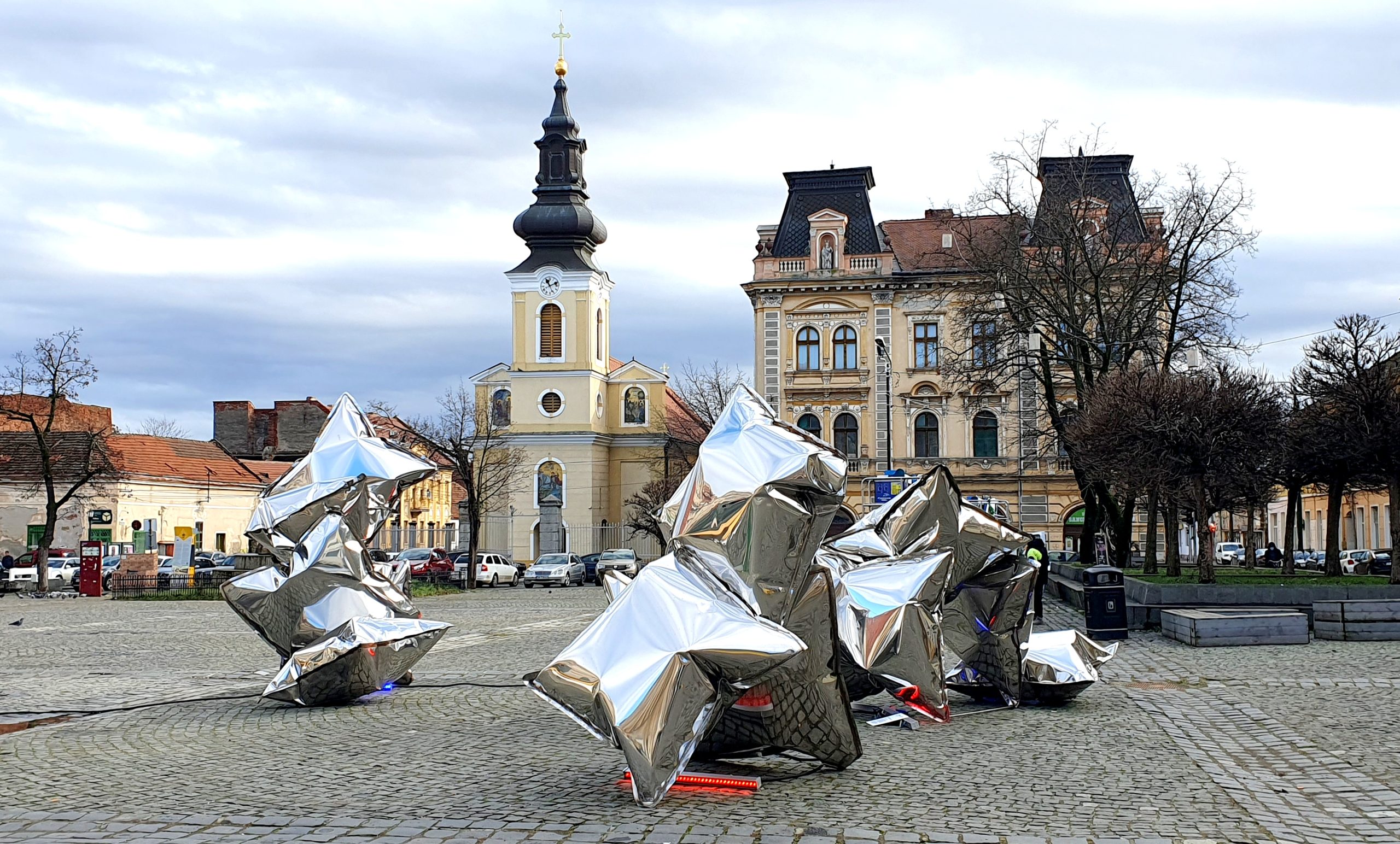
Fabric was the city's industrial and commercial heart. The name itself comes from the German word for factory — this is where Timișoara made things. It was also the most cosmopolitan quarter: Serbs, Germans, Hungarians, Jews, Romanians, all living on the same blocks. The Serbian Orthodox Church on Strada Proclamația de la Timișoara is a jewel — small, painted in deep blues and golds, usually unlocked and always empty enough to feel like a private discovery.
The former Jewish quarter centers on the synagogue on Strada Coloniei — a Moorish Revival building from 1899 that was once the heart of a community of 10,000. That community is mostly gone now, but the building remains, occasionally hosting concerts and cultural events. Walk the surrounding streets and you'll find Stars of David carved into keystones, Hebrew lettering above doorways that now lead to Romanian shops.
What Fabric offers is something no amount of renovation can create: authenticity. The courtyard passages — those tunnels through buildings that open into hidden interior worlds — are still here, still used by residents, still surprising. Street artists have found the neighborhood too, adding murals to walls that were already layered with a century of paint and politics. It's beautiful in the way that real places are beautiful: imperfect, layered, alive.
What to See
- 1Serbian Orthodox Church on Str. Proclamația de la Timișoara — intimate, ornate, usually open and wonderfully quiet
- 2The Fabric Synagogue (1899) — Moorish Revival architecture, occasionally hosts cultural events
- 3Courtyard passages — walk through building archways to discover hidden interior courtyards
- 4Street art murals — especially along Strada Ungureanu and surrounding blocks
- 5Piața Traian — the neighborhood's central market square, surrounded by faded grandeur
Visitor Tips
- —This is a living neighborhood, not a museum — be respectful of residents, especially in courtyards
- —The best courtyards are found by simply walking through any open archway — the surprises are half the joy
- —Morning light is best for photography — the east-facing façades glow
- —Combine with a visit to Piața Traian's small market for local produce and atmosphere
- —Some buildings are in poor structural condition — admire from a safe distance where the façade looks unstable