architecture
Iosefin & Elisabetin Stroll
Grand residential quarters the tourists haven't found
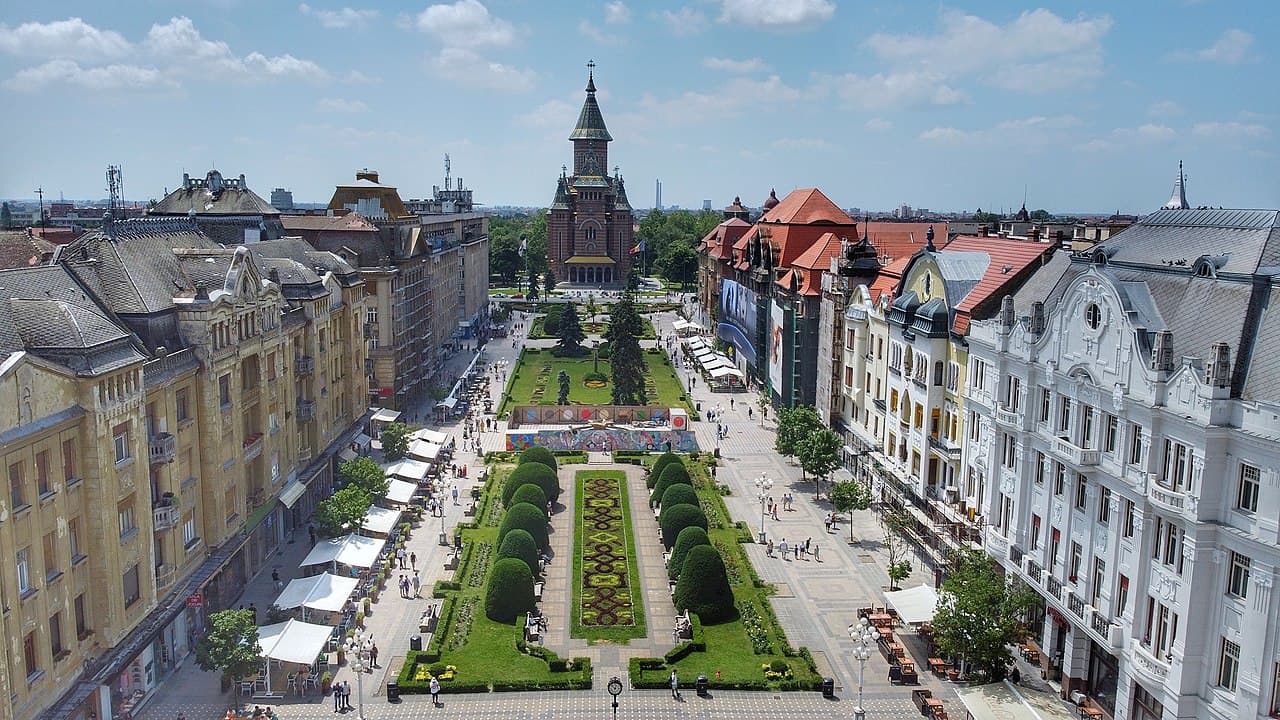
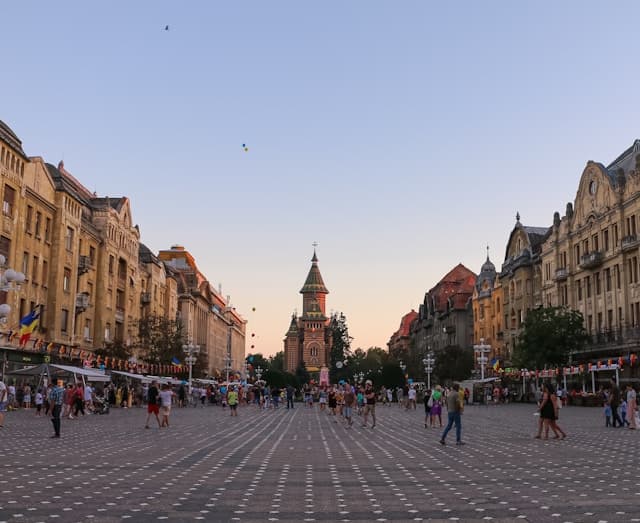
If the city center is Timișoara's public face — squares and churches and monuments — then Iosefin and Elisabetin are its private diary. These two residential neighborhoods, stretching south and west from the historic core, are where the city's middle class built their homes from the mid-19th century onward. And they built beautifully.
Iosefin (Josefstadt in German — named after Emperor Joseph II) is the larger and more varied of the two. Its main artery, Bulevardul 16 Decembrie 1989, is a grand boulevard lined with four-story apartment buildings whose façades run the gamut from Neoclassical to Art Nouveau to early Modernist. But the magic is on the side streets. Turn off the boulevard and within a block you'll find villas — actual freestanding houses with gardens, wrought-iron fences, decorative gables, and that particular Central European combination of ambition and restraint that makes you want to live in every single one.
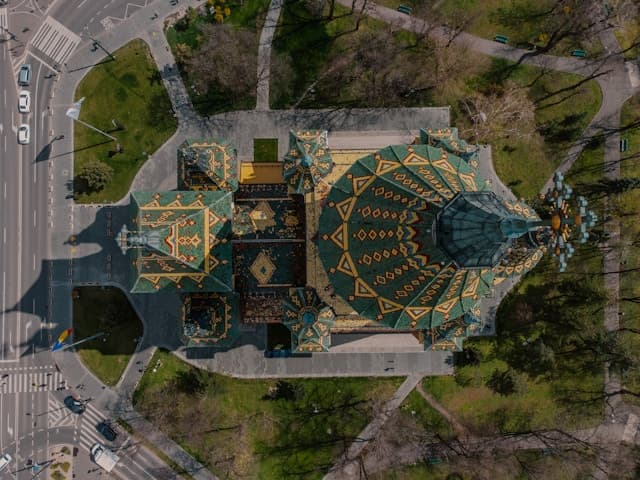
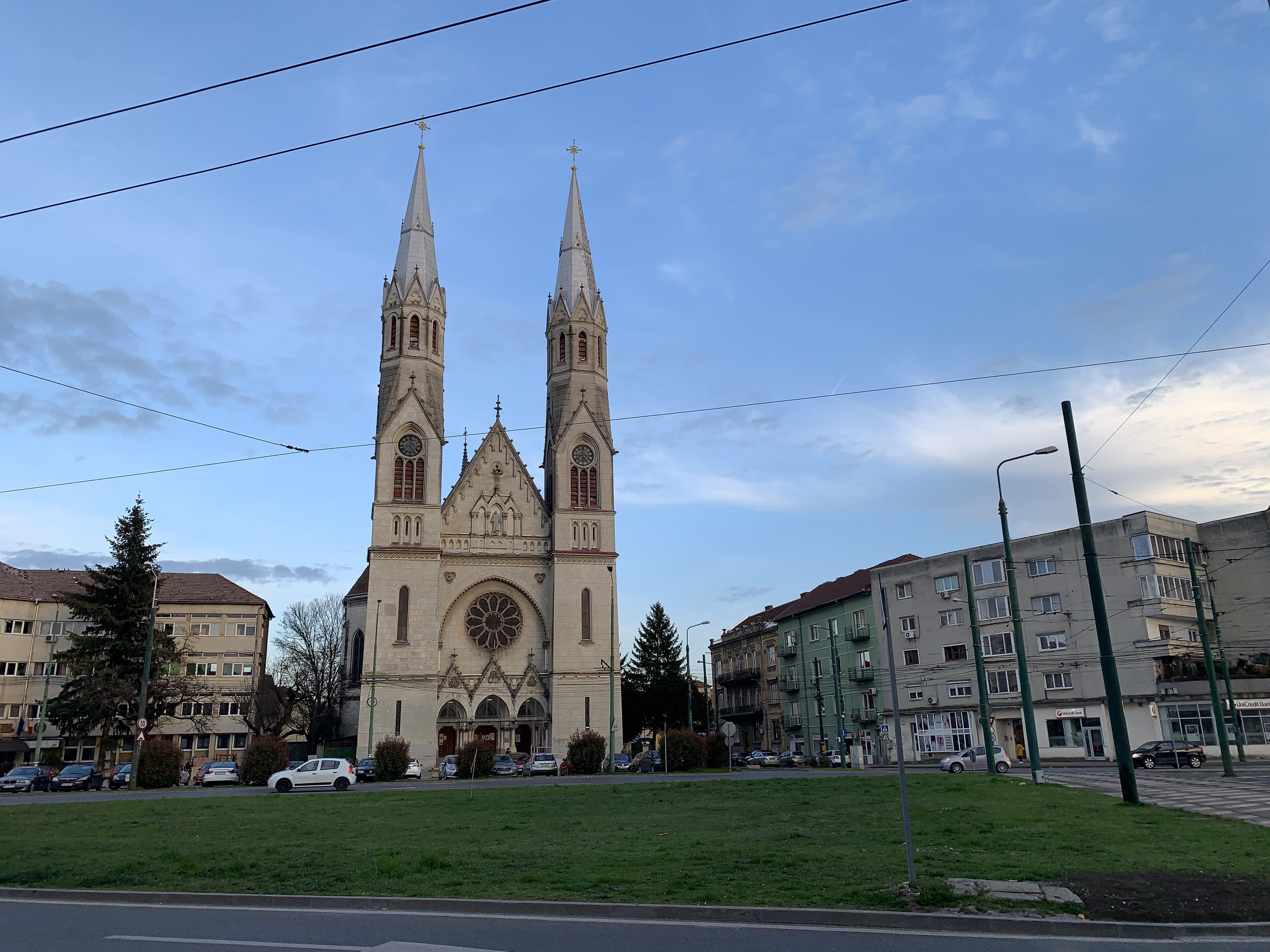
The Millennium Church, a massive structure in brick and stone, anchors the neighborhood with a presence that feels more cathedral than parish church. Nearby, the former Iosefin synagogue — now a cultural space — reminds you of the neighborhood's diversity. The small squares scattered throughout offer benches under old trees where the pace drops to something genuinely leisurely.
Elisabetin (named after Empress Elisabeth — Sisi — of Austria) is more compact but equally charming. It centers on a boulevard that leads to Parcul Rozelor, making it a natural walk for anyone heading to the Rose Park. The architecture here tends slightly later — more Secession and early 20th century — with some of the city's best-preserved residential façades. Look for the tile work, the stained-glass stairwell windows visible from the street, the carved stone faces above doorways.
Neither neighborhood is a tourist destination in any traditional sense. There are no museums, no monuments, no entry fees. What there is, in abundance, is the texture of a Central European city as it was actually lived in — not the monumental center but the everyday streets where people raised families, tended gardens, and invested their hopes in beautiful buildings. Many of these buildings need restoration. Some are in excellent condition. All of them reward the kind of slow, aimless walking that is the best way to truly know a city.
What to See
- 1Bulevardul 16 Decembrie 1989 — the grand avenue of Iosefin, with façades spanning a century of styles
- 2Hidden villas on Iosefin's side streets — freestanding homes with ornate fences and gardens
- 3Millennium Church — the massive brick landmark of the Iosefin neighborhood
- 4Elisabetin residential façades — some of the city's best-preserved Secession-era tile and stonework
- 5Stained-glass stairwell windows — visible from the street through open front doors
Visitor Tips
- —This walk is best without a fixed route — let the side streets pull you in
- —Weekend mornings are quietest and the light is softest on the south-facing Iosefin façades
- —The walk naturally connects to Parcul Rozelor at the Elisabetin end — bring time for both
- —Look through any open front door — the stairwells often have original tile floors and glass ceilings
- —Comfortable shoes essential — cobblestone sidewalks and about 3-4 km of walking