architecture
Piața Unirii — The Baroque Heart
Where four faiths share one square
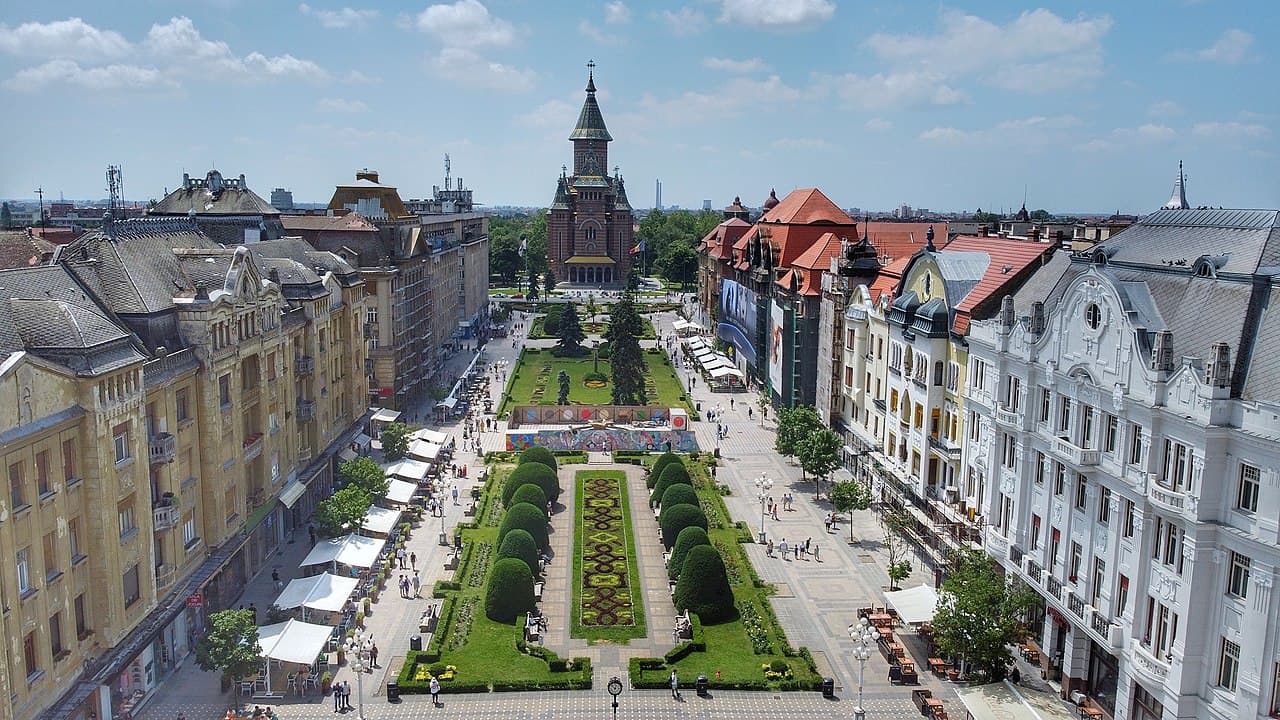
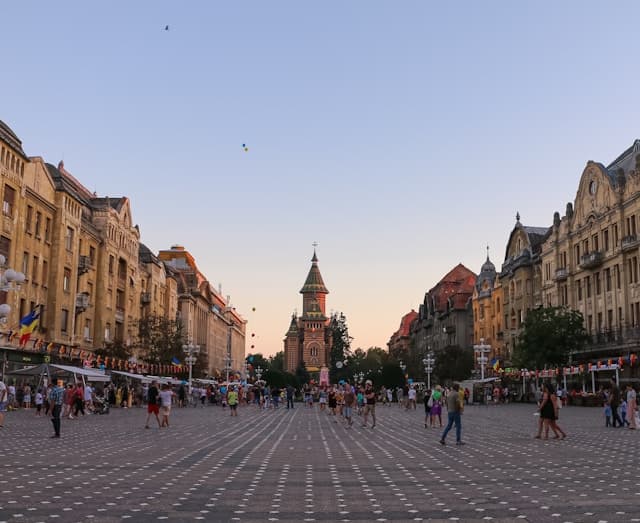
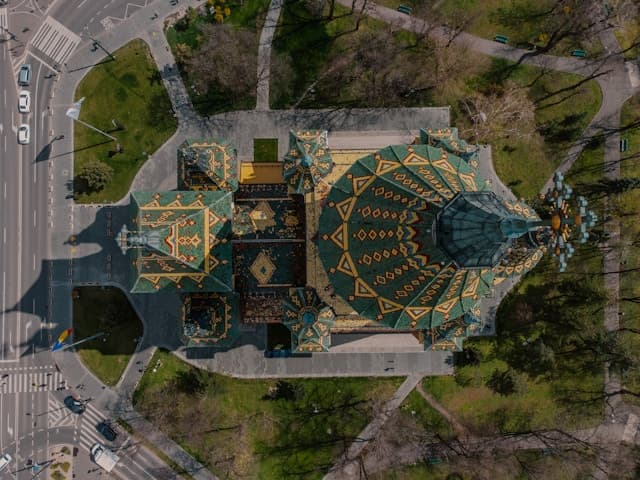
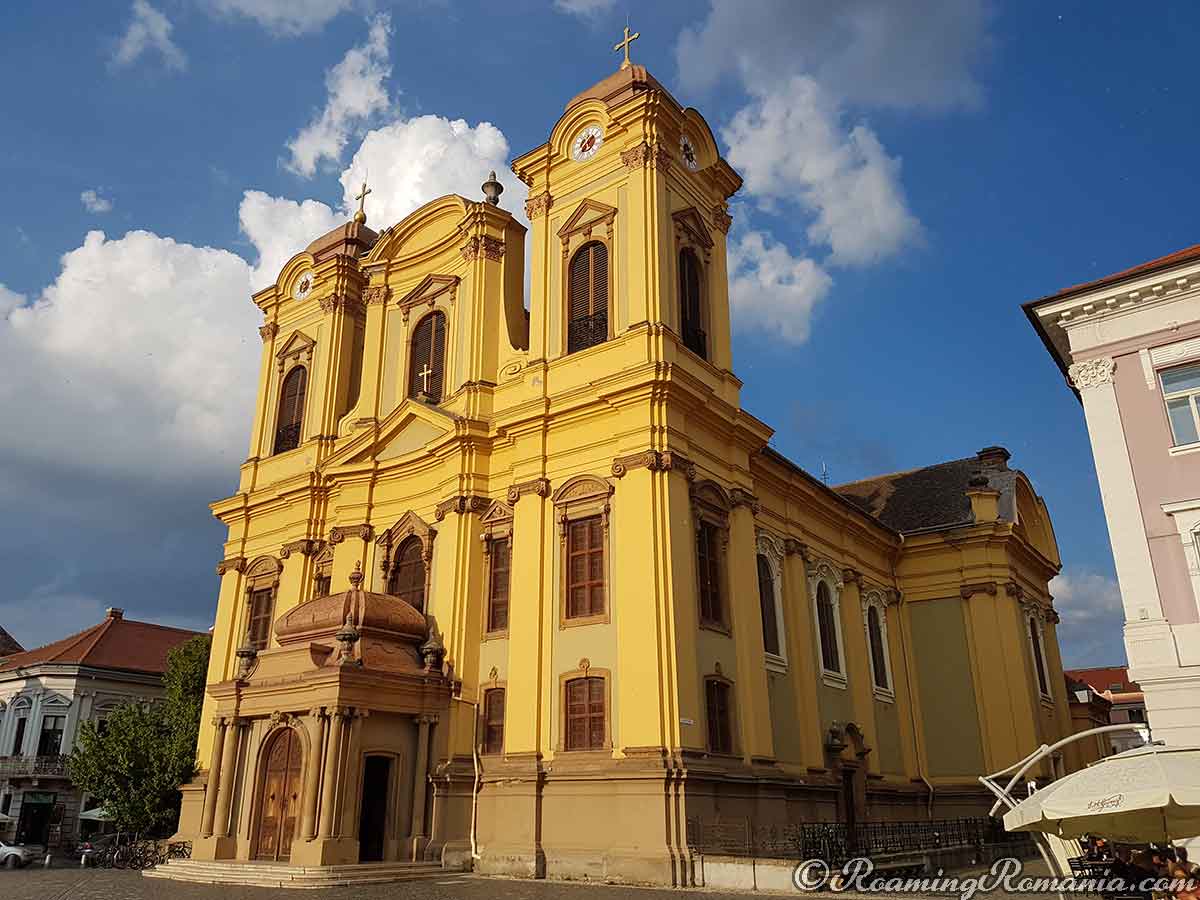
Stand in the center of Piața Unirii on a quiet morning and turn slowly. To the east, the Catholic Dome rises in pale yellow and soft curves, its twin towers framing a sky that seems wider here than anywhere else in the city. To the west, the Serbian Orthodox Cathedral answers with its own quiet grandeur — green-topped, Byzantine, a reminder that this city has always belonged to more than one people.
Between them, the Baroque Palace stretches its long façade like an arm around the square, housing the art museum within walls that have seen Habsburg governors, Ottoman threats, and Romanian revolutionaries. The old City Hall faces it from across the cobblestones, its tower clock still keeping time for the whole neighborhood.
What makes Piața Unirii extraordinary isn't any single building — it's the conversation between them. Catholic, Orthodox, Protestant, and once a synagogue too: four faiths coexisting within a few hundred meters, their architecture a physical testament to something Timișoara has practiced for centuries. This isn't tolerance as a policy. It's tolerance as a way of building a city.
The square was redesigned in the 18th century under Habsburg rule, when Timișoara was rebuilt from the ground up after 164 years of Ottoman occupation. The plague column at the center — a Trinity Monument dating to 1740 — marks both the end of a devastating epidemic and the beginning of the city's baroque identity. The surrounding buildings followed: merchants' houses with colorful façades, apothecaries, coffeehouses, the civic infrastructure of a city that wanted to be Viennese but became something entirely its own.
Today the square hums with a different kind of life. Café terraces fill the edges in summer. Art students sketch the Dome's façade. Tourists photograph the pastel-colored buildings. But the real magic is in the details — the wrought-iron balconies, the carved doorways, the way light hits the cobblestones differently at each hour. Come at golden hour and the entire square glows as if lit from within.
What to See
- 1The Catholic Dome (1736) — enter for the stunning ceiling frescoes and the unexpected sense of vertical space
- 2Serbian Orthodox Cathedral — the iconostasis inside is one of the finest in the Banat region
- 3Baroque Palace / Art Museum — Romanian and European art across three centuries, in rooms with original parquet floors
- 4The Trinity Monument — the plague column at the square's heart, dating to 1740
- 5The pastel-colored merchant houses — each façade tells a different story of 18th-century ambition
Visitor Tips
- —Visit early morning for photographs without crowds — the light on the Dome at 8am is unforgettable
- —The Art Museum inside the Baroque Palace is often overlooked by tourists — give it at least an hour
- —Café terraces on the south side have the best view of the full square
- —Free to walk the square anytime; museum hours vary seasonally
- —Combine with a walk to Piața Libertății (2 minutes away) for the Old Town Hall and another beautiful small square